Invisalign Oxnard CA: What to Know Before You Start

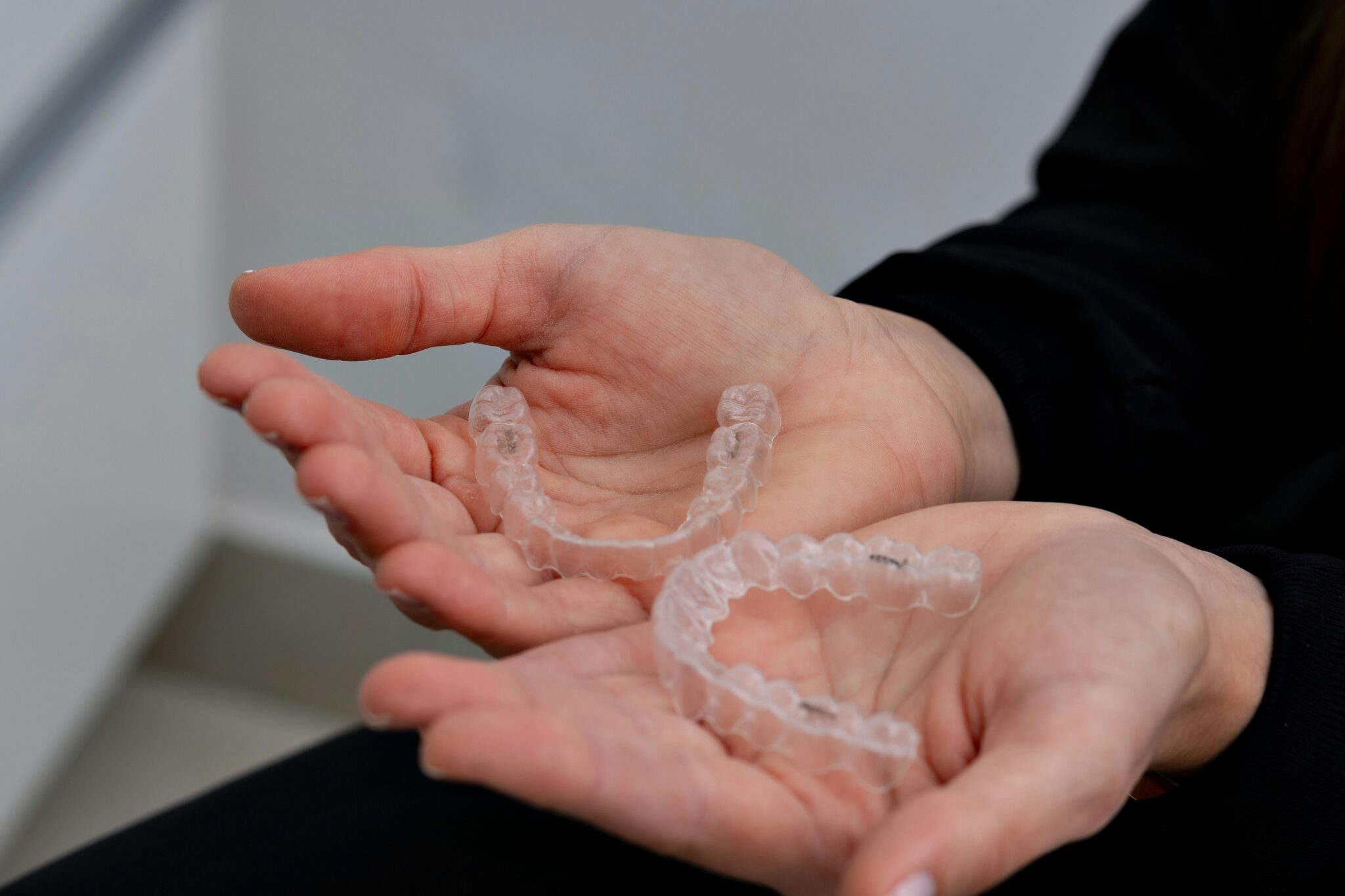
If you are considering Invisalign in Oxnard CA, the first thing to understand is that clear aligners can be excellent, but they are not magic. They work best when the case is diagnosed carefully, the plan is realistic, and the patient is willing to wear the trays as directed every day. That sounds simple, yet it is where many treatments either go smoothly or slowly drift off course.
People often come in thinking Invisalign is just the cleaner, more convenient version of braces. Sometimes it is. Sometimes it is the better choice. And sometimes a patient would honestly get a more predictable result with braces, especially if there are bite issues, stubborn rotations, or habits that make tray wear inconsistent. Knowing that distinction before you start can save you months of frustration and a fair amount of money.
Oxnard CA adds its own layer of practical considerations. Patients here are balancing work, school, beach days, sports, and social schedules. Clear aligners fit well into that lifestyle because they are removable and discreet, but those same benefits can become weak points if the trays spend too much time sitting in a napkin at lunch or left in a cup during a long afternoon out.
Why people choose Invisalign in Oxnard CA
Most adults who ask about Invisalign are not only trying to straighten teeth. They are also trying to avoid the look and feel of brackets and wires. That matters more than many people admit. Teachers, sales professionals, healthcare workers, attorneys, and parents returning to the workforce often want orthodontic treatment that does not become the first thing people notice when they speak.
Teenagers choose it for different reasons. Some like that it looks subtle in photos. Some play sports and prefer not to deal with the irritation that can come from a wire or bracket during practice. Others simply like that the aligners feel more modern and less intrusive.
There is also the hygiene factor. With removable aligners, you can brush and floss more normally than with braces. That does not mean hygiene automatically becomes easy. It means you still have to be disciplined, but you are not navigating around hardware every night. For patients with a history of gum inflammation or a lot of dental work, that can be a meaningful advantage.
Invisalign can also be a strong fit for people who had braces years ago and watched their teeth shift back. Relapse is common, especially in the lower front teeth. A patient in that situation may not need a full, complex orthodontic correction. Sometimes they need a targeted plan to correct crowding or spacing and then commit to proper retention afterward. Clear aligners often handle that kind of retreatment very well.
What Invisalign actually corrects, and where it has limits
A good consultation should include a candid conversation about what Invisalign can do in your specific mouth, not just what the brand is known for generally. Mild to moderate crowding, spacing, and many alignment issues are commonly treated with clear aligners. They can also improve certain bite relationships, though the difficulty level varies.
Where things get more nuanced is when teeth need to move in very particular ways. Bodily movement of teeth, root control, larger bite corrections, significant rotations, and vertical changes can all be more technique-sensitive. That does not mean they cannot be done. It means your provider must know when attachments, elastics, refinements, or even a different treatment option would make the result more predictable.
One of the most common misunderstandings is that if your teeth look only slightly crooked in the mirror, the case must be simple. That is not always true. A mouth can appear mildly crowded from the front while hiding a bite discrepancy, crossbite, deep bite, or worn edges from grinding. Sometimes the “cosmetic” issue is straightforward. Sometimes it is the visible sign of a larger functional pattern.
This is where experience matters. A provider should be looking beyond the smile photo. They should evaluate your bite from the side, how your front teeth overlap, whether you have signs of clenching, whether there are missing teeth, implants, gum recession, or existing restorations that affect movement. An implant, for example, does not move like a natural tooth. That changes how the aligners must work around it.
Your first consultation should feel specific, not scripted
There is nothing wrong with a polished office. There is something wrong if the consultation feels like the same speech given to everyone, regardless of what their teeth actually need.
A worthwhile Invisalign consultation in Oxnard CA should cover more than cost and tray counts. It should explain what is being corrected, what the likely timeline is, what compromises might exist, and whether attachments or elastics are expected. If your case may require refinements, that should be discussed early. Refinements are not necessarily a sign something went wrong. They are common. Teeth do not always move exactly on schedule, and final detailing often takes an additional set of aligners.
You should also ask who is directing your care. In some offices, the doctor is closely involved in planning and follow-up. In others, much of the process is delegated. Delegation is not inherently bad, but as a patient, you should know who is evaluating fit, tracking, bite changes, and treatment modifications.
A digital scan is often part of the initial process, and it is one of the nicest upgrades in modern orthodontics. Most patients strongly prefer it to old-style impressions. But the scan itself is not the treatment. The quality of the plan that follows matters much more than the technology used to collect the images.
The timeline is rarely as simple as the ad suggests
Patients love to ask, “How long will this take?” It is a fair question. The honest answer is that Invisalign treatment often falls into a range rather than an exact finish date.
A mild alignment case may take several months. A more comprehensive bite correction can take a year or longer. Then there are refinements, which may add additional weeks or months. The timeline depends on biology, case complexity, consistency of wear, and whether the teeth are tracking as expected.
That word, tracking, is important. If an aligner is fitting well and the teeth are moving according to plan, treatment tends to stay on course. If trays start lifting off the teeth, especially around the edges or on specific teeth, that may signal the movement is not keeping up with the aligner sequence. Catching that early can prevent larger delays.
People are sometimes surprised to learn that “wearing them most of the time” is not enough. Clear aligners generally need to be worn around 20 to 22 hours a day. If you remove them for coffee, a long lunch, afternoon snacks, and then a late dinner, the lost time adds up quickly. I have seen patients extend treatment by months without realizing they were doing anything unusual. They felt compliant because they wore the trays every day. The issue was not whether they wore them, but for how long.
Cost in Oxnard CA, and what affects the price
Fees for Invisalign in Oxnard CA can vary based on complexity, treatment length, provider experience, what is included, and whether you are seeing a general dentist who offers aligners or an orthodontic specialist. There is no single fee that applies to everyone, and you should be cautious with unusually low quotes that seem disconnected from the amount of care involved.
A lower initial price can sometimes mean a more limited treatment scope, fewer visits, fewer refinements included, or less flexibility if the case needs adjustments. On the other hand, a higher fee is not automatically a better value if the office cannot clearly explain what you are paying for.
Ask practical questions. Is the retainer included? Are refinement aligners included, and if so, how many rounds? What happens if you lose trays? Are follow-up visits part of the fee? If your insurance has orthodontic benefits, how are they applied?
For adults paying out of pocket, monthly financing often matters more than the total quoted fee. That is normal. Orthodontic treatment is both a health decision and a budget decision. A transparent office should be comfortable discussing both without pressure.
Daily life with Invisalign is easy for some people, annoying for others
This is one of the most useful truths to hear upfront. Invisalign is convenient, but it is still a habit-heavy treatment. Some people adapt within a week and barely think about it afterward. Others find the routines surprisingly disruptive, especially if they snack often, drink coffee throughout the day, or have jobs that make frequent brushing inconvenient.
The first few days in a new set of trays often bring pressure. That is expected. It can feel tight, especially at night or when inserting the aligners after meals. Most patients describe it as soreness or pressure rather than sharp pain. Speech changes usually settle quickly, though there can be a short adjustment period.
You also need to think about logistics. If you are out in Oxnard for the day, whether at work, the harbor, or a family event, you should have a routine for removing aligners, storing them properly, and cleaning your teeth before putting them back in. Tossing trays into a napkin is the classic way they disappear. Restaurants clear the table, and suddenly a week’s worth of progress is gone.
The patients who do best are usually not the most motivated on day one. They are the ones who build systems. They keep a case with them. They carry a toothbrush. They know what they will do after lunch before lunch even starts.
What can make treatment go off track
There are several predictable reasons Invisalign cases stall, stretch out, or end with less-than-ideal results. Most are not dramatic. They are ordinary habits repeated often enough to matter.
- Wearing trays fewer hours than prescribed
- Switching to the next tray too soon or too late
- Losing aligners or leaving them out during meals for long periods
- Skipping check-ins when fit or tracking changes
- Ignoring retainer instructions after treatment ends
The last point deserves more attention than it usually gets. Many people focus intensely on getting through treatment and then relax the moment the teeth look straight. Unfortunately, teeth do not share that sense of closure. Without retention, they move. Sometimes the shift is subtle at first. Then six months later, the lower front teeth begin to crowd again, or a small gap reopens.
Attachments, elastics, and other things that surprise patients
A lot of Invisalign marketing centers on the “nearly invisible” part, which is fair, but the treatment can include a few extras that patients do not always anticipate.
Attachments are small tooth-colored shapes bonded to certain teeth to help the aligners grip and Invisalign Oxnard CA move them more effectively. They are common and useful. Depending on the tooth color and placement, they may be barely noticeable or fairly visible up close. That does not mean something is wrong. It usually means the provider is trying to make the mechanics work better.
Some cases also use elastics to help correct bite relationships. Patients are often caught off guard by this because they associate rubber bands with braces, not aligners. Yet elastics can be very helpful in aligner treatment when the bite needs additional guidance.
Interproximal reduction, often called IPR, is another surprise for some people. This involves removing a very small amount of enamel between certain teeth to create space or improve fit. When done appropriately and conservatively, it is a standard orthodontic technique. Still, it should be discussed clearly beforehand, not introduced as an afterthought while you are already in the chair.
Teen Invisalign versus adult Invisalign
The mechanics can overlap, but the lifestyle issues are different. Adults generally understand the trade-off and choose it knowingly. Teens may love the appearance benefits but struggle more with compliance. If a teen is organized, engaged, and genuinely wants treatment, Invisalign can work beautifully. If they lose things regularly, skip routines, or resist structure, braces may be the more reliable option.
Parents in Oxnard CA often ask which treatment is “better” for a teen. The better treatment is usually the one the teenager will actually complete well. A visually discreet option loses its advantage if the trays stay out too long or vanish every few weeks.
Adults have their own challenges, though. Work meetings, social dinners, frequent coffee, travel, and inconsistent schedules can wear down even good intentions. I have seen highly responsible adults struggle more than motivated teenagers simply because their days are less predictable.
How to choose the right provider in Oxnard CA
This decision matters as much as the brand itself. Invisalign is a tool. Outcomes depend heavily on diagnosis, planning, follow-up, and willingness to make course corrections when the teeth do something unexpected.
You do not need the flashiest office. You need a provider who is careful, candid, and experienced with cases like yours. If you are comparing offices, pay attention to how they explain your bite, not just how they sell the process. Someone who can clearly describe what needs to move, what may be challenging, and what the realistic finish should look like is usually thinking at the right level.
Here are a few useful questions to bring to a consultation:
- Am I a good candidate for Invisalign, or would braces be more predictable?
- What parts of my case are straightforward, and what parts are more difficult?
- How many hours a day do you expect me to wear the aligners?
- Are attachments, elastics, or IPR likely in my treatment?
- What is included if I need refinement trays?
Notice that none of those questions ask for a sales pitch. They ask for judgment. That is what you want to hear.
The role of retainers after Invisalign
The end of active treatment is not the end of tooth movement. Retainers are not optional maintenance for a perfect result. They are part of the treatment itself.
Most people need to wear retainers full time at first, then transition to nights, depending on the provider’s instructions and the specifics of the case. Patients who had significant crowding, spacing, or relapse should take retention especially seriously. Teeth have memory, and the surrounding tissues need time to stabilize.
If you grind your teeth, your provider may also discuss the best retainer type for durability. That choice can matter. Retainers crack, warp, or loosen over time, and replacing them before they fail completely is often cheaper than retreating a relapse later.
Cosmetic goals versus bite goals
This is one of the more subtle, but important, parts of planning Invisalign. Some patients care mostly about what shows in a smile photo. Others are dealing with actual bite discomfort, edge wear, or a function problem that needs more than cosmetic straightening.
Neither goal is wrong. Problems happen when they are confused. If a patient wants a quick cosmetic improvement and understands the limits, a focused plan may be appropriate. If the patient expects a healthier bite, more balanced contacts, or stability over many years, the treatment may need to be broader and take longer.
The best providers make that distinction early. They do not promise a magazine smile without discussing how the teeth fit together. They also do not overcomplicate a minor alignment issue just to make it sound more comprehensive. Good planning sits between those extremes.
What to expect emotionally, not just clinically
Orthodontic treatment has a rhythm. Early excitement is common. Then there is often a plateau where the changes feel slow, and patients start wondering whether it is working. Later, the improvements become easier to see, especially in photos or side-by-side comparisons.
That middle phase can test patience. A person may look at the same lower front teeth every morning and feel nothing is changing, even though the provider can measure clear progress. This Invisalign Oxnard CA is one reason regular follow-up matters. Treatment is easier to stick with when someone can tell you whether things are on track and what milestones are still ahead.
Patients also tend to underestimate how much confidence even modest corrections can restore. A small closure of spacing, a little de-crowding in the lower front, a smoother smile arc, these are not trivial changes to the person living with them. They can affect how freely someone laughs, how often they agree to be photographed, or how they feel in a client meeting.
The smartest mindset before you begin
If you start Invisalign in Oxnard CA expecting a perfectly effortless process, you may be disappointed. If you start with the mindset that it is a disciplined, highly practical treatment that can deliver excellent results when managed well, you are much more likely to have a good experience.
Think of it less like buying a product and more like entering a structured plan. The trays matter. The scan matters. The brand matters to a point. But what really drives success is sound diagnosis, a thoughtful provider, realistic goals, and the daily consistency to follow through.
For the right patient, Invisalign can be a very strong choice. It can fit comfortably into life in Oxnard CA, improve the appearance of your smile, and in many cases improve bite function as well. The key is to begin with open eyes. Ask better questions, understand the trade-offs, and choose a provider who treats your case like a clinical decision, not a commodity. That is usually where the best results start.
Omni Dental Specialty
Address: 1690 E Gonzales Rd, Oxnard, CA 93036
Phone number: +18053666000
FAQ About Invisalign Oxnard CA
How much does Invisalign actually cost?
The out-of-pocket cost for Invisalign typically ranges between $3,000 and $8,000, with most patients paying a national average of roughly $5,100 to $5,700 before insurance.
What is the downside to Invisalign?
The biggest downsides to Invisalign are the intense discipline required to wear the trays 22 hours a day, the inconvenience of removing them to eat or drink, and the inability to fix severe, complex orthodontic issues.
Is $5000 a lot for Invisalign?
No, $5,000 is not considered a lot for Invisalign; it is exactly the national average. Treatment costs typically fall between $3,000 and $8,000, and $5,000 is the standard fee for a moderately complex case that takes 6 to 18 months to complete.