Is Invisalign in Oxnard CA Worth It?
For many adults and teens in Oxnard, the real question is not whether clear aligners can straighten teeth. That part is fairly well established. The harder question is whether Invisalign is worth the cost, the discipline, and the time compared with braces or simply leaving things alone.
The answer depends on what is actually bothering you. If you are dealing with mild crowding, small gaps, or a bite issue that affects how your teeth wear over time, Invisalign can be a very worthwhile investment. If you want a completely effortless treatment, or your case is complex enough to need heavy tooth movement, the value becomes more situational. Some patients are thrilled with the convenience. Others discover that the success of treatment rests heavily on habits, consistency, and follow-through.
In Oxnard CA, that decision often comes down to a mix of lifestyle and economics. People commuting between Oxnard, Ventura, Camarillo, and surrounding areas often appreciate fewer disruptions and a more discreet treatment option. Parents of teens like the cosmetic appeal. Working professionals like that aligners rarely become a talking point in meetings or client interactions. But none of that matters if the aligners sit in the case instead of on the teeth.
What people are really paying for with Invisalign
When people hear the price of Invisalign, they sometimes reduce it to a set of plastic trays. That misses the bigger picture. The actual value is not the material itself. It is the diagnosis, digital planning, controlled tooth movement, ongoing supervision, refinements, and retention strategy that follow.
A good Invisalign case starts with a careful examination, not with a quick sales pitch. The provider needs to evaluate more than whether your front teeth look crooked in photos. They should be looking at bite relationship, jaw function, gum health, existing dental work, areas of wear, and how much bone support surrounds the teeth. I have seen patients focus on one rotated front tooth, only to learn that the bigger issue was a deep bite that had been chipping the edges of their lower incisors for years. In that kind of situation, Invisalign is not just cosmetic. It can be protective.
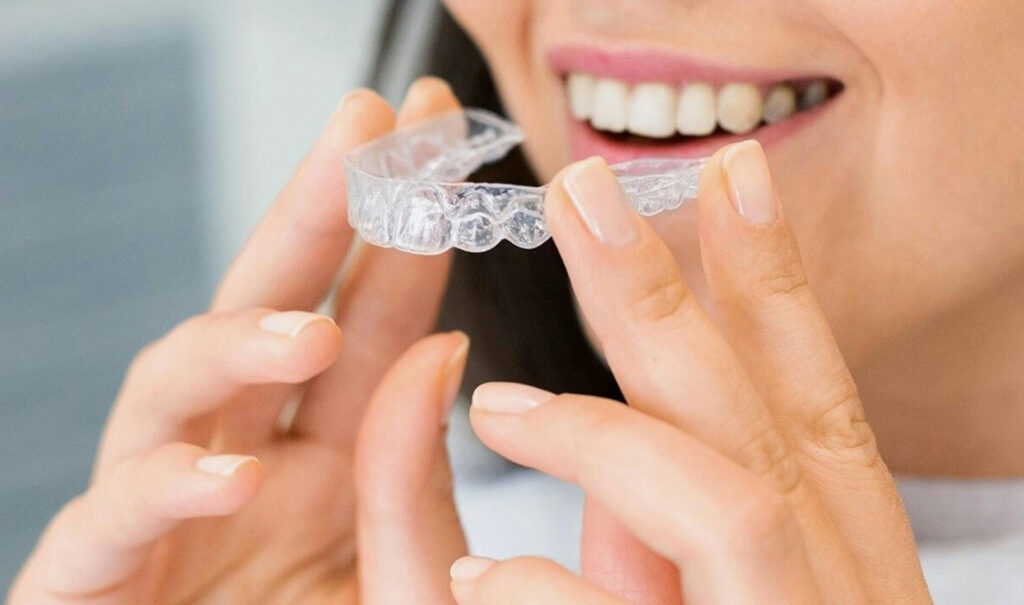
In practical terms, your fee often covers records, digital scans, custom trays, progress checks, any planned attachments, possible interproximal reduction if space is needed, and refinement aligners if the first series does not finish perfectly. It should also include guidance on retainers, which matter more than many patients realize. Teeth do not stay put because treatment ended. They stay put because retention is handled properly.
That is one reason two Invisalign quotes in Oxnard CA can look similar on paper but offer very different value. One office may provide comprehensive monitoring and refinements, while another may present a lower number that does not include the same level of follow-up. Patients do not always notice that difference until they are deep into treatment.
The Oxnard factor: local cost, convenience, and expectations
Cost in Oxnard CA usually falls somewhere in the same broad range you see across Southern California, though exact fees vary based on case difficulty, provider experience, and what is included. A straightforward mild case might be quoted in the low thousands, while comprehensive treatment for a more involved bite correction can reach the higher end of the typical range. It is wise to ask not only, “How much is Invisalign?” but also, “What does this fee actually include?”
That matters in a city like Oxnard, where people often compare options across neighboring communities. Some patients look locally, then expand their search to Ventura or Camarillo. Price shopping is understandable, but convenience has value too. Invisalign works best when patients can attend regular checks without turning each appointment into a half-day project. Shorter drives make it easier to stay on schedule, especially if refinements, attachment repairs, or fit checks become necessary.
There is also a practical issue unique to coastal living and active schedules. Oxnard residents who spend time outdoors, play sports, work on the go, or eat meals away from home need to think honestly about compliance. Invisalign sounds easy until you are taking trays out at a beachside lunch, brushing after coffee before getting back to work, or remembering to put them back in after a late dinner. If your routine is unpredictable, the convenience of removable aligners can become their biggest weakness.
When Invisalign is absolutely worth it
Invisalign tends to deliver the strongest value in cases where aesthetics, comfort, and flexibility matter almost as much as the tooth movement itself. Mild to moderate crowding is a classic example. So are small spaces, minor relapses after past orthodontic treatment, and certain bite adjustments that can be planned carefully with attachments and staged movement.
Adults who postponed orthodontics for years often find Invisalign worth every penny because it lowers the social barrier to treatment. They finally move forward because clear aligners feel manageable. A 38-year-old professional who would never have tolerated metal braces may happily wear aligners for 14 months and get the smile they have wanted since college. That is real value. It is not just cosmetic vanity. It can improve confidence in ways that spill into work, relationships, and daily comfort.
There is also a maintenance advantage. Oral hygiene is usually easier with Invisalign than with braces because you can remove the trays to brush and floss. For patients who already have crowns, fillings, or a history of gingivitis, that can matter. Braces can be excellent treatment, but they do create more surfaces for plaque to collect. A patient with crowded lower front teeth who struggles to floss may end up with healthier gums after treatment simply because straighter teeth are easier to clean.
One of the most satisfying Invisalign cases is the former braces patient whose teeth shifted years later because they stopped wearing retainers. In those situations, the movement needed is often modest, and the treatment can be efficient. I have seen people put off fixing relapse for years because they assumed they would need full braces again. When they learn that Invisalign can often handle that kind of correction discreetly, the decision becomes much easier.
When it may not be the best value
There are cases where Invisalign is not the smartest choice, or at least not the obvious one. Severe bite problems, significant rotations, large vertical discrepancies, and cases requiring very precise root movement may be better managed with braces, or with a combined approach. Invisalign has come a long way, but it is not magic. Good treatment planning expands what is possible. It does not erase biological limits.
Compliance is the other major issue. Invisalign only works if you wear it enough, usually around 20 to 22 hours a day. Not some days. Not only when it feels convenient. Consistently. A patient who removes trays for snacks, coffee breaks, long lunches, evenings out, and then forgets them overnight may stretch a 12-month plan into something much longer, with weaker results.
That is where the “worth it” question changes. If you know you are not disciplined with routines, braces may give better value because they remove your ability to sabotage treatment. This is not a character judgment. It is just good case selection. Some people thrive with removable aligners. Others need the structure of fixed appliances.
There is also the expectation problem. Invisalign can improve a smile dramatically, but it does not whiten teeth, replace worn enamel, repair chipped edges, or make old dental Invisalign Oxnard CA work match your natural shade. A patient may finish treatment with straighter teeth and still need bonding, whitening, or contouring to get the final look they imagined. If that is not discussed early, even a technically successful case can feel disappointing.
The hidden costs nobody mentions enough
The quoted fee is only part of the story. Invisalign has time costs, behavior costs, and maintenance costs that deserve attention.
Time is the first one. You may spend more minutes each day thinking about your teeth than you would with braces. You need to remove aligners before eating, rinse or brush before putting them back in, keep the trays clean, store them properly, and stay aware of wear schedules. For highly organized people, this becomes second nature. For everyone else, it can feel like one more chore layered onto an already full day.
Behavior change is the second hidden cost. Many patients snack less during Invisalign because taking trays out repeatedly becomes annoying. Oddly enough, some people love this because it curbs mindless eating. Others hate it. Coffee drinkers feel it too. If you sip slowly all morning, Invisalign forces a choice. Either remove the trays more often than ideal, or adjust the habit.
Then there is retention. After Invisalign, retainers are not optional if you want your result to last. Teeth move throughout life. Some drift is normal, but a neglected retainer plan can waste a significant investment. Patients rarely complain about paying for treatment if they love the result. They do complain when they have to pay again because they did not maintain it.
Here are the questions worth asking before you commit:
- Is my case a good fit for Invisalign specifically, not just orthodontics in general?
- What is included in the quoted fee, especially refinements and retainers?
- How long is treatment likely to take if everything tracks normally?
- What happens if attachments fall off, trays stop fitting, or I need extra aligners?
- What kind of retention plan will I need after treatment?
Those five questions tell you more than a flashy before-and-after gallery.
Comfort, appearance, and the day-to-day experience
One reason Invisalign remains so popular in Oxnard CA is that the day-to-day experience is usually easier than people expect. The first few days with a new tray can feel tight. That pressure is normal. Sharp pain is not the goal, but soreness during movement is common. Most patients adapt quickly. Speech changes are usually mild and temporary, though some people notice a slight lisp for a few days.
Compared with braces, the comfort profile is often better. There are no metal brackets rubbing cheeks, no broken wires poking soft tissue, and no food trapped around hardware in quite the same way. That said, attachments can make the aligners more visible than some marketing photos suggest. They are tooth-colored, not invisible. Depending on placement and lighting, people may notice them up close. Most still find them far less conspicuous than braces.
For public-facing professionals, that discretion can be the deciding factor. A salesperson, attorney, teacher, or business owner may feel comfortable pursuing treatment precisely because Invisalign lets them do so quietly. Teenagers often care just as much, though some teens are not ideal candidates because they forget trays, lose them, or test the limits of wear time.
There is also a subtle psychological benefit. Many adults with crowded teeth have learned to smile carefully in photos or cover their mouth when laughing. When those habits begin to fade during treatment, patients often describe a lift in confidence even before the final result. That part is hard to quantify, but it is real.
Not all Invisalign providers are the same
If you are researching Invisalign Oxnard CA, this point matters a great deal. Invisalign is a system, not a guarantee. The quality of your result depends heavily on the provider's judgment. Digital treatment planning is powerful, but software cannot replace clinical experience.
A strong provider knows when to accept the digital plan, when to modify it, and when Invisalign Oxnard CA to say that a case needs a different approach. They understand attachments, staging, anchorage, bite settling, and the small adjustments that separate a merely decent result from a stable, functional one. They also know how to talk honestly about limitations.
I have seen patients come in after wearing mail-order or poorly managed aligners, frustrated that their front teeth looked a little straighter but their bite felt off. This is one area where cheap can become expensive. If teeth are moved without proper supervision, correcting the aftermath may cost more than starting properly in the first place.
A consultation should leave you with a clear sense of whether the office is evaluating your mouth comprehensively or simply selling the idea of clear aligners. If the conversation centers only on aesthetics and speed, ask deeper questions. Bite matters. Gum health matters. Stability matters.
Braces versus Invisalign in real life
The comparison is not about which option is universally better. It is about which one suits your needs, anatomy, and habits.
Braces are often more efficient for certain complex movements and remove the compliance problem because they stay on all day. They can also be less expensive in some cases, though not always. On the other hand, braces are more visible, can complicate brushing and flossing, and tend to interfere more with comfort during the early phase.
Invisalign wins on discretion, convenience for meals, and oral hygiene access. It often feels more compatible with adult life. But it demands maturity and follow-through. A patient who wears aligners faithfully may have an excellent experience. A patient who treats them casually may end up spending more for a result that arrives later and with more compromises.
If someone asked me for the shortest honest answer, I would put it this way:
- Invisalign is worth it when appearance, flexibility, and hygiene matter to you and you are willing to wear the aligners properly.
- Braces are often better value when tooth movement is complex or you know consistency will be a struggle.
That is not a marketing answer. It is usually the truth.
How to judge the financial side without getting lost in the sticker price
People often frame orthodontic treatment as either affordable or expensive, but that is too blunt. A better question is whether the result will still feel worthwhile three, five, or ten years from now.
If your teeth are wearing unevenly, crowding makes cleaning difficult, or you avoid smiling because of a feature you notice every day, the benefits of treatment accumulate over time. A straighter bite can reduce future dental complications in some cases. Easier cleaning can support gum health. Better alignment can protect edges from continued trauma. Those benefits are not guaranteed in every case, but they are part of the value calculation.
Monthly payment options can also make Invisalign in Oxnard CA more approachable than patients assume. Many offices spread costs over time, and some insurance plans contribute to orthodontic treatment even for adults, though coverage varies widely. It is worth checking, especially if your plan has a lifetime orthodontic benefit.
Still, financing should not talk you into treatment that is poorly matched to your goals. The right way to think about cost is not, “Can I stretch to make this work?” It is, “Am I paying for an outcome I truly want, with a provider I trust, using a method that fits my life?”
Who tends to be happiest with Invisalign
The happiest Invisalign patients tend to share a few traits. They have clear reasons for wanting treatment. They understand that discipline matters. They choose a provider they trust, not just the lowest quote. And they view retainers as part of treatment, not an afterthought.
They are also realistic. They know that some cases need refinements. They expect a few weeks where trays feel awkward. They do not confuse “clear” with “zero effort.” In return, they often get a treatment experience that blends far more smoothly into everyday life than traditional braces would have.
In Oxnard CA, that profile fits a lot of people. Busy professionals, image-conscious adults, college students, and motivated teens often do very well. The lifestyle match is strong, particularly for people who want orthodontic treatment without making it a visible centerpiece of their daily appearance.
So, is Invisalign in Oxnard CA worth it?
For the right patient, yes, absolutely. Invisalign can be worth it for the appearance alone, and even more so when it improves function, hygiene access, and long-term confidence. But the value is not automatic. It depends on case selection, provider skill, treatment goals, and your willingness to wear the aligners as directed.
If you are exploring Invisalign Oxnard CA options, think beyond the sales language. Look for a provider who explains the trade-offs clearly, assesses your bite thoroughly, and gives you a realistic picture of time, cost, and maintenance. The best Invisalign cases do not just create straighter teeth. They create results that feel natural, stable, and worth the effort years later.
That is usually the standard that matters most. Not whether Invisalign is trendy, but whether it makes sense for your mouth, your schedule, and the kind of result you actually want.
Omni Dental Specialty
Address: 1690 E Gonzales Rd, Oxnard, CA 93036
Phone number: +18053666000
FAQ About Invisalign Oxnard CA
How much does Invisalign actually cost?
The out-of-pocket cost for Invisalign typically ranges between $3,000 and $8,000, with most patients paying a national average of roughly $5,100 to $5,700 before insurance.
What is the downside to Invisalign?
The biggest downsides to Invisalign are the intense discipline required to wear the trays 22 hours a day, the inconvenience of removing them to eat or drink, and the inability to fix severe, complex orthodontic issues.
Is $5000 a lot for Invisalign?
No, $5,000 is not considered a lot for Invisalign; it is exactly the national average. Treatment costs typically fall between $3,000 and $8,000, and $5,000 is the standard fee for a moderately complex case that takes 6 to 18 months to complete.