The Science Behind Strong and Natural-Looking Dental Crowns
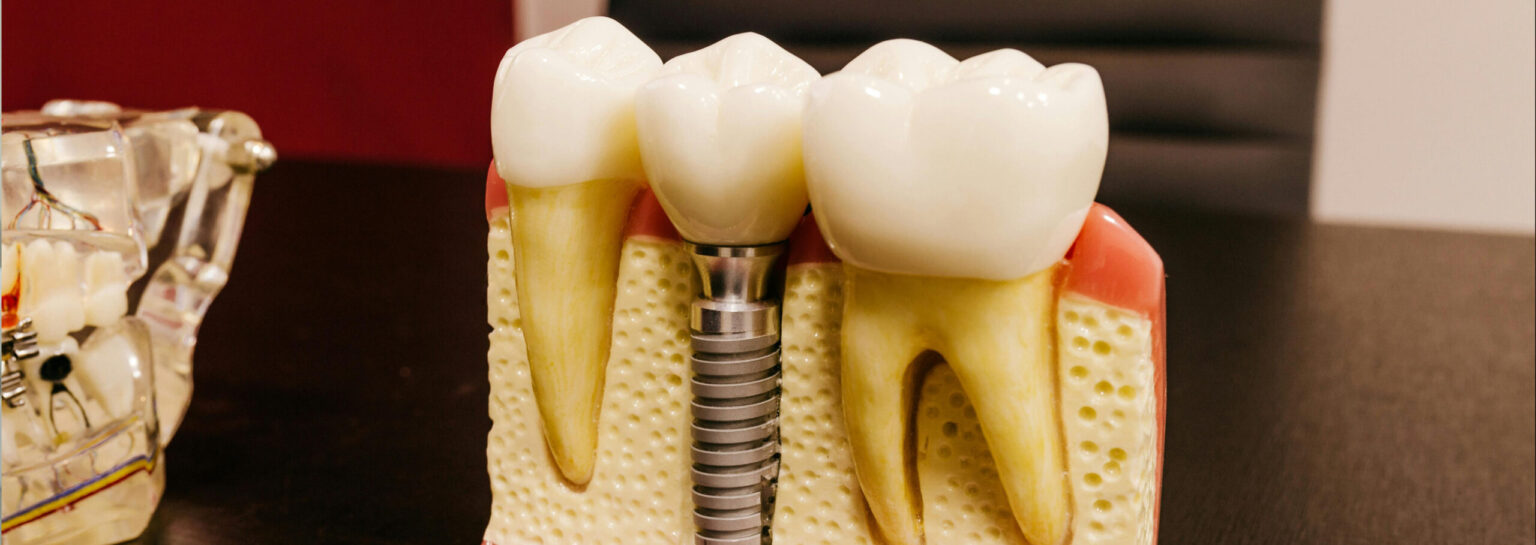
A well-made crown does two jobs at once. It has to survive years of chewing, temperature changes, grinding forces, and the small imperfections of daily habits. At the same time, it has to disappear into the smile so completely that even a careful observer cannot tell where the restoration begins and the natural tooth ends. That combination of strength and realism is not accidental. It is the result of material science, biology, engineering, and a fair amount of clinical judgment.
Dentists and dental technicians have spent decades refining how Dental Crowns are designed, fabricated, and bonded. Patients often see only the final result, a tooth that looks whole again. Behind that final appearance is a long chain of decisions about ceramic chemistry, bite forces, tooth preparation, shade mapping, translucency, margins, and cement selection. When any one of those decisions is off, the crown may still look acceptable on day one, but it may chip, loosen, irritate the gum, or look oddly flat under natural light.
The reason modern crowns can look so convincing is that dentistry has moved far beyond the era of one-size-fits-all restorations. Strong and natural-looking crowns are built around the specific tooth, the patient’s bite, the thickness of available enamel, the amount of remaining tooth structure, and the visual demands of the smile line. A crown for a lower molar in a patient who clenches at night is a very different scientific problem than a crown for an upper central incisor visible every time that patient speaks.
What a crown is really replacing
A natural tooth is not a single uniform block. Enamel is hard, glossy, and slightly translucent. Dentin underneath is more opaque and carries much of the tooth’s basic color. The way light enters the enamel, scatters through the dentin, and reflects back out is what gives a natural tooth its depth. Real teeth are not one flat shade. They tend to be brighter in some areas, warmer in others, with subtle variation near the edge and around the gumline.
A crown has to recreate both the function and the optical behavior of that tooth. That is why the phrase “match the shade” is only part of the story. Matching color without matching translucency, surface texture, contour, and light reflection often produces a tooth that looks artificial even if the shade tab seemed correct in the chair.
Function matters just as much. Natural teeth flex slightly under force. They meet the opposing teeth in a very particular way. A crown that is too high can cause soreness or fracture. One that is too flat can interfere with chewing efficiency. One that bulies the gum tissue because it is overcontoured may trap plaque and create chronic inflammation. The science behind a good crown is really the science of imitating a complex biological structure under demanding conditions.
Strength begins with understanding force
When patients hear that a crown is “strong,” they often imagine a simple test of hardness. In practice, durability is more complicated. A crown must resist several kinds of stress at once. Compression occurs when you bite down. Shear happens when food slides between teeth during chewing. Tension develops in areas where the material is bent or flexed. Repeated small loads matter too, because materials can fail from fatigue over time even when no single bite was large enough to break them.
Back teeth can experience surprisingly high forces. In many adults, chewing forces in the molar region fall roughly in the range of several hundred newtons, and for patients who clench or grind, peak forces can be much higher. Those numbers vary widely, which is why dentists do not choose crown materials by habit alone. A patient with a broad jaw, strong chewing muscles, and a history of fractured restorations presents a different set of engineering demands than a patient with a light bite and mostly cosmetic concerns.
Strength also depends on thickness and support. Even a very strong ceramic can fail if it is too thin in a high-stress area or if the tooth preparation leaves unsupported zones. This is one of the less glamorous truths about restorative dentistry. Material choice matters, but geometry matters just as much. Small design errors often cause more trouble than the material itself.
The materials that make modern crowns possible
Several classes of materials dominate modern crown work, each with distinct mechanical and esthetic behavior. The best results come from selecting the right one for the clinical situation rather than chasing a universal favorite.
Porcelain-fused-to-metal crowns were once the standard for many practices because they combined a strong metal substructure with a tooth-colored ceramic exterior. They still have uses, especially where durability is critical and esthetic demands are moderate. Their weakness is optical. Because a metal coping sits beneath the porcelain, the crown can appear less translucent than a natural tooth. In certain lighting, particularly around the front teeth, that can produce a slightly opaque look. Older versions also sometimes showed a dark margin near the gumline when gums receded.
All-ceramic crowns changed the visual game. Materials such as lithium disilicate and zirconia made it possible to avoid a metal substructure while preserving substantial strength. Lithium disilicate is valued for its balance of beauty and durability. It can be very lifelike in the front of the mouth because it transmits light in a way that resembles enamel more closely than many older materials. It is often a strong choice for visible teeth and selected premolars or molars, depending on bite conditions and thickness.
Zirconia is the workhorse of high-strength ceramics. Earlier zirconia restorations were famously tough but sometimes too opaque for demanding cosmetic cases. More recent formulations are more translucent, which has expanded their use. Even so, the dentist must weigh translucency against strength. Generally speaking, as zirconia becomes more translucent, some mechanical advantages may be reduced. That trade-off does not make the newer material weak, but it reminds us that material science is rarely about getting everything at once.
Resin-based and hybrid ceramic materials occupy a smaller but useful niche. They may absorb stress differently, can be milled efficiently, and may suit certain cases, though they are not a universal replacement for traditional ceramic options. Their role depends on location, bite, and longevity expectations.
Why translucency matters more than shade alone
Patients sometimes arrive with a simple request: “Make it white, but natural.” The challenge is that natural teeth are rarely a uniform white. The front surface of a tooth reflects Dental Crowns light differently from the incisal edge. The cervical third near the gums often appears slightly warmer because enamel is thinner there and dentin influences the color more strongly. Young teeth usually look brighter and more translucent. Older teeth often appear more saturated and less reflective because of wear, staining, and changes in enamel.
A crown that nails the base shade but misses these subtleties can look chalky or dead. Ceramics solve this by allowing controlled translucency and layering. In some restorations, especially highly esthetic anterior cases, technicians build effects into the crown the way an artist builds depth into paint. Internal stains, translucent incisal effects, and carefully polished texture all influence how the crown reads in real life. Tiny vertical ridges, faint developmental grooves, and luster variations matter. The human eye is surprisingly good at detecting when a front tooth looks too smooth, too monochromatic, or too perfect.
This is also why a crown that looks good under the bright operatory light can look different outdoors. Daylight, restaurant lighting, and phone-camera flash all reveal different properties. A skilled clinician knows that color matching is not just about the tab held next to a tooth for a few seconds. It requires moisture control, neutral lighting when possible, and attention to the neighboring teeth, lips, skin tone, and even makeup or clothing that can distort perception.
The hidden science of tooth preparation
Crown success starts before the laboratory ever sees a case. The shape the dentist creates on the tooth, often called the preparation, determines whether the final crown will have enough room for strength and enough support for esthetics. Too little reduction leaves insufficient space for material and pushes the technician toward compromises. Too much reduction removes healthy structure unnecessarily and can threaten the pulp or weaken the foundation.
This is where practical experience shows. Anterior teeth usually demand room for esthetic layering and natural contour. Posterior teeth demand enough bulk in functional areas to prevent fracture under load. The margin, where crown meets tooth, has to be placed and shaped with care. A rough, irregular, or poorly accessible margin increases the chance of a poor fit and gum irritation.
Fit at the margin is one of the most important and least visible parts of the job. If the crown does not adapt closely to the tooth, the cement line may be more vulnerable to breakdown, bacterial leakage, recurrent decay, or inflammation. No crown seals a tooth in a mystical sense forever, but a well-fitted crown minimizes the microscopic gap and gives the surrounding tissues the best chance to stay healthy.
Bonding, cement, and why retention is not one thing
Patients often hear that a crown is either “cemented” or “bonded,” as if those terms are interchangeable. They are related but not identical. Some crown materials rely heavily on adhesive bonding to maximize retention and reinforce the restoration. Others can be placed with more conventional cements, depending on the clinical design.
Lithium disilicate, for example, often benefits from adhesive protocols that include surface etching and the use of silane and resin cement. That combination can improve the mechanical connection between tooth and restoration. Zirconia behaves differently. It is exceptionally strong, but it does not respond to the same etching Dental Crowns methods as glass ceramics. Its bonding protocols use different surface treatments and primers.
These differences are not academic. They affect longevity. If the wrong cementation protocol is used, a crown may debond or perform below its potential. The science of adhesion in dentistry has become increasingly sophisticated, and the best clinicians match the chemistry of the cement to the chemistry of the crown and the biology of the tooth.
Digital design has improved precision, but it has not replaced judgment
Computer-aided design and manufacturing have transformed the crown process. Digital scanners can capture tooth preparations without traditional impression material, which many patients appreciate. CAD software allows restorations to be designed with impressive consistency. Milling machines can carve crowns from industrially produced ceramic blocks with controlled quality. In the right hands, this workflow can produce highly accurate restorations and shorten turnaround times.
Still, digital does not automatically mean better. Scanners can miss subgingival margins if tissue management is poor. Software can generate anatomy that looks mathematically neat but not quite right in the patient’s face or bite. Milling limitations can influence fine detail. A crown is only as good as the data captured and the person evaluating it.
In practice, some of the best crown work blends digital efficiency with analog judgment. A careful occlusal adjustment, a technician’s custom staining, or a polished hand-finished surface can make the difference between acceptable and excellent. Dentistry has gained remarkable tools, but the final restoration still depends on the eye and hand of trained professionals.
The role of the gumline in making crowns look natural
Patients tend to focus on the visible tooth, but the surrounding gum tissue can make or break the esthetic result. A beautiful crown with an inflamed or asymmetrical gumline will never look truly natural. Biology matters here. The soft tissue around a tooth occupies a delicate zone. If a margin is placed too deep without good reason, or if the crown contour presses improperly against the tissue, the gums may remain irritated and puffy.
On the other hand, when the emergence profile is right, meaning the way the crown rises out of the gum resembles a natural tooth, the tissue often responds calmly. That calm tissue creates the illusion that the crown belongs there. In the front of the mouth, even a fraction of a millimeter can matter. Symmetry between central incisors, harmony with the lip line, and support for the papillae between teeth are not cosmetic luxuries. They are central to making the restoration believable.
This becomes especially important when replacing old crowns. Sometimes the old restoration failed not because the material was weak, but because the contours made cleaning difficult and the tissue never fully settled. The remake then becomes as much a periodontal problem as a restorative one.
Occlusion, the science of how teeth meet
Many crown failures trace back to bite problems rather than defective materials. Occlusion refers to how the upper and lower teeth contact each other in static bite and during movement. A crown can be perfectly shaded and beautifully fitted, then chip because it is taking a heavy glancing contact every time the patient slides the jaw sideways.
Molars often need broad, stable contacts that distribute force sensibly. Front teeth may need guidance patterns that protect posterior teeth during movement. Patients who grind at night can generate destructive lateral forces that are very different from normal chewing. For them, a night guard may be as important to crown longevity as the crown material itself.
An experienced dentist often reads clues before treatment begins. Worn incisal edges, fractured fillings, scalloped tongue borders, enlarged chewing muscles, or a history of broken ceramic all suggest elevated functional risk. These patients benefit from careful material selection and realistic counseling. No crown material is indestructible. Even the strongest ceramic can fail under unfavorable loading over time.
Where laboratory artistry meets material science
The relationship between dentist and laboratory is one of the most underestimated factors in crown quality. The prescription cannot simply say “shade A1” and hope for the best, especially for a visible tooth. Good laboratories want photographs, stump shade information when relevant, notes about adjacent teeth, and details about the patient’s expectations. Is the neighboring tooth bright and youthful, or slightly gray with craze lines and character? Should the restoration blend quietly or stand out as cleaner and newer?
In high-level esthetic work, technicians often think in layers. The core material provides structure. The veneering ceramic or surface characterization provides life. Surface finish affects how the crown reflects light and how plaque accumulates. Glaze can add shine, but overglazing alone is not a substitute for proper contour and polishing. A crown polished correctly tends to wear more favorably and maintain a refined appearance.
One common misconception is that a perfectly smooth, flawless tooth always looks best. Natural teeth usually have gentle texture. The trick is moderation. Too much texture looks theatrical. Too little looks artificial. This is where technical knowledge becomes artistic judgment.
Why some crowns fail early while others last for many years
Longevity depends on a chain of factors rather than a single brand or material. A well-executed crown can last well over a decade, and many last much longer, but those numbers are averages influenced by hygiene, decay risk, bite forces, diet, preparation quality, and maintenance. Crowns do not become immune to dental disease simply because they are not natural enamel. The tooth underneath can still decay, the cement seal can still deteriorate, and the gums can still become inflamed.
Early failures often follow familiar patterns. The bite was too heavy. The margin fit was compromised. The patient clenched and did not use the prescribed night guard. The remaining tooth structure was too weak, or the buildup underneath was unstable. In some cases, a crown fractures not because crowns are unreliable, but because it was placed on a tooth with cracks extending deeper than first appreciated. The crown may then be blamed for a problem that began in the biology of the tooth itself.
The most durable results usually come from respecting a few fundamentals:
- Preserve sound tooth structure whenever possible.
- Choose material based on location, load, and esthetic demand.
- Create enough space for that material to function properly.
- Control the bite carefully at delivery and after healing.
- Maintain the restoration with good home care and regular review.
Those points sound straightforward, but consistent execution is where expertise shows.
What patients can reasonably expect
A strong, natural-looking crown should feel unremarkable after the initial adjustment period. It should not catch floss because of a rough margin. It should not feel noticeably high after the bite is refined. The gum around it should settle into a healthy appearance rather than remain red and tender. Most importantly, it should blend with the surrounding teeth in shape, surface luster, and light behavior, not just basic color.
Patients should also understand that perfection has limits. A single crown on a front tooth is often matched to neighboring teeth that may have wear, translucency differences, fillings, or internal discoloration. Reproducing nature is possible to a remarkable degree, but it is not done by selecting a white block and hoping for the best. It takes communication, planning, and often a willingness to refine. Occasionally a highly visible case needs a try-in, a modification, or even a remake to reach the right balance.
That is not a sign of failure. It is often a sign that the team is aiming for a result sophisticated enough to satisfy the eye at close range, in speech, in photographs, and across different lighting conditions.
The real meaning of a successful crown
The best Dental Crowns are quiet achievements. They restore chewing without drawing attention. They support the health of the surrounding gum. They hold up under real-life function. They respect the mechanics of the bite and the biology of the tooth. And they look believable, which is often harder than simply looking bright or polished.
When dentistry gets crowns right, the result can seem simple. A tooth is repaired, the smile looks whole, and the patient moves on. Beneath that simplicity sits an impressive amount of science. Ceramics are engineered for strength and translucency. Adhesives are selected according to surface chemistry. Preparations are shaped to support both structure and esthetics. Digital systems improve fit and efficiency. Human judgment ties all of it together.
That is the real story behind a strong and natural-looking crown. It is not just a cap over a damaged tooth. It is a carefully designed restoration that succeeds when biology, physics, and craftsmanship all agree.
Omni Dental Specialty
1690 E Gonzales Rd, Oxnard, CA 93036, United States
+1 805-410-9603
FAQ About Dental Crowns
How long do crowns last on teeth?
A dental crown often lasts about five to fifteen years, although some last longer. Material, the underlying tooth, oral hygiene and grinding habits affect longevity. Regular dental examinations help identify wear, decay or a loose crown; no lifespan is guaranteed.
How much does a tooth crown cost?
There is no single price for every crown. Material, laboratory work, the condition of the tooth and any additional treatment affect the fee. Ask for a written estimate and confirm your insurance benefits, exclusions and out-of-pocket costs before treatment.
What is the downside of crowns on teeth?
A conventional crown usually requires irreversible removal of some tooth structure. Possible problems include sensitivity, chipping, loosening and decay at the crown margin; some teeth later need root canal treatment. Discuss your tooth's condition, material choices and suitable alternatives with your dentist.